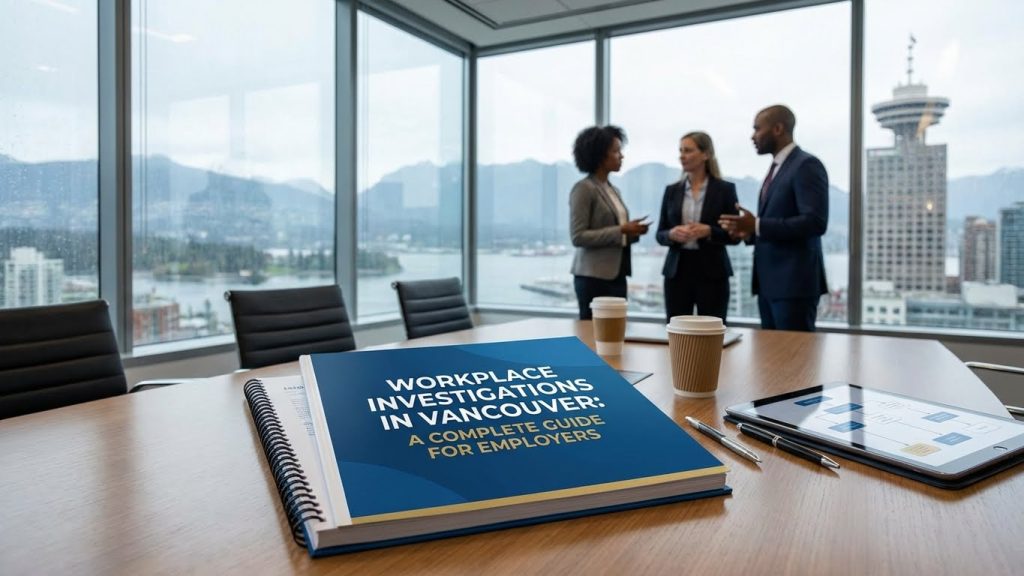
Workplace conflicts, complaints, and misconduct can happen in any organization. For businesses in Vancouver, failing to handle these issues properly can lead to low morale, legal risks, and reputational damage.
A structured workplace investigation ensures that complaints are addressed fairly, employees feel safe, and your organization remains compliant with BC labour laws.
In this blog, we'll provide a complete guide to workplace investigations, including best practices, legal considerations, and how professional HR consulting can help.
Why Workplace Investigations Matter
Conducting a proper workplace investigation is essential because it:
- Protects employees: Ensures that complaints of harassment, discrimination, or misconduct are taken seriously.
- Reduces legal risks: Proper documentation and fair processes protect your business from liability.
- Preserves workplace culture: A transparent approach fosters trust and engagement among staff.
Without structured investigations, small issues can escalate into serious conflicts, affecting productivity and retention.
Legal Requirements in British Columbia
Businesses in Vancouver must comply with local employment laws:
- BC Human Rights Code: Employers must address discrimination or harassment complaints promptly.
- Employment Standards Act: Investigations may intersect with wage disputes, terminations, or hours of work.
- Privacy and confidentiality: All parties' information must be handled sensitively, maintaining fairness and legal compliance.
Professional HR consultants ensure that your investigations follow these laws, reducing the risk of complaints escalating to tribunals or courts.
Steps to Conducting a Workplace Investigation
-
1
Intake and Assessment
Receive the complaint in writing if possible. Evaluate the seriousness and determine the scope of the investigation. -
2
Planning
Identify witnesses, documents, and evidence. Decide whether an internal or external investigator is required. -
3
Conducting Interviews
Speak with complainant, respondent, and witnesses. Ask open-ended questions and document answers meticulously. -
4
Analyzing Evidence
Compare accounts, identify inconsistencies, and evaluate credibility. Use the "balance of probabilities" approach to assess findings. -
5
Reporting and Decision Making
Prepare a written report summarizing findings and recommendations. Implement disciplinary or remedial actions if needed. -
6
Communication and Follow-Up
Inform parties of the outcome while respecting confidentiality. Monitor for recurrence and ensure corrective actions are implemented.
Common Mistakes to Avoid
| Mistake | Impact | Solution |
|---|---|---|
| Delaying the investigation | Escalates conflict | Start promptly and set timelines |
| Investigator bias | Compromises fairness | Use neutral parties, possibly external consultants |
| Poor documentation | Weak evidence | Keep detailed, accurate records |
| Lack of follow-up | Recurring issues | Implement corrective actions and monitor |
Avoiding these mistakes ensures a smooth process that maintains trust and compliance.
How PeopleWise Solutions Can Help
At PeopleWise Solutions, we specialize in workplace investigations tailored to Vancouver businesses:
- Neutral, experienced investigators ensure fairness
- Customized plans aligned with BC laws and company policy
- Post-investigation support, including remediation, coaching, and training
- Clear documentation that protects your organization and employees
Our approach ensures complaints are addressed efficiently, employees feel safe, and your company maintains a strong, positive culture.
Workplace investigations are complex but critical. For businesses in Vancouver, proper handling of complaints protects your team, preserves culture, and mitigates legal risks.
If you want professional guidance to manage investigations effectively, contact PeopleWise Solutions today. Let us help your workplace stay compliant, fair, and productive.
Book a Free Consultation